
Remote engineering firm
We build and maintain the systems businesses run on.
Companies hand us software that already runs, or needs building, and we keep it running for years.
A failing fintech MVP, taken over and put into production in a month. It then ran just under four years.
- 136,336 loans
- 515,312 transactions
- 3 systems since 2022
Clients in
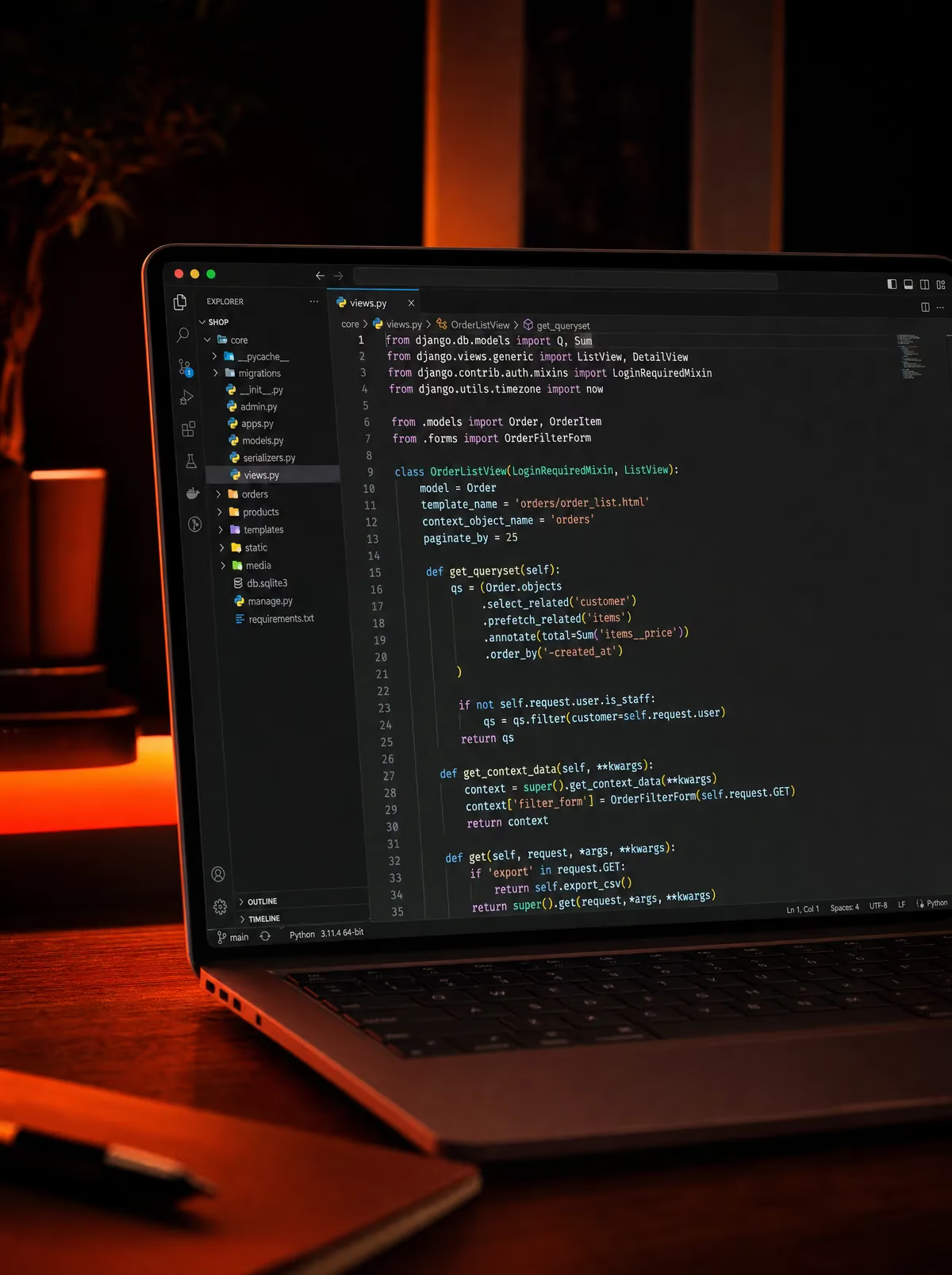
Inherited Codebase Review
You own software you didn't build. The developer is gone, or the agency delivered and left. It runs, but nobody can say what's fragile. We read it over 2–3 days and write down what's actually there.
01
Architecture as it exists
Not as documented.
02
Risk register
What breaks first, and why.
03
Dependency audit
End-of-life, unpatched, abandoned.
04
Knowledge concentration
What only one person understood.
05
Prioritised remediation
With rough effort sizing.
06 · The verdict
Maintainable, needs work, or needs replacing
And what doing nothing costs.
Read-only repository access is the whole cost. Mutual NDA on hand; named engineers only; access revoked and local copies destroyed on completion.
Why people call us
Four sentences we hear on the first call.
“The developer who built this doesn't work here anymore.”
We start by reading it, not rewriting it. The Inherited Codebase Review maps what exists, what is fragile, and what only the departed engineer understood. Then we either maintain it or replace it deliberately.
“It works, but we're scared to change anything.”
The goal is boring: you should be able to ship a change on a Tuesday without anyone holding their breath. That means tests where they earn their keep, a real staging path, and dependencies that are patched.
“We're losing money somewhere in operations and can't see where.”
Operational systems built for the reality that some inputs are dishonest. Recipe-level inventory, branch-by-branch expense rollup, partner-wise profit allocation, and controls that make shrinkage visible instead of assumed.
“We need something built, and someone who'll still be here next year.”
We take four clients at a time and stay for years. Our longest relationship is 6 years and counting; one client has brought us three separate production systems since 2022.
Pay 24 Financial Services
Three production systems since 2022.
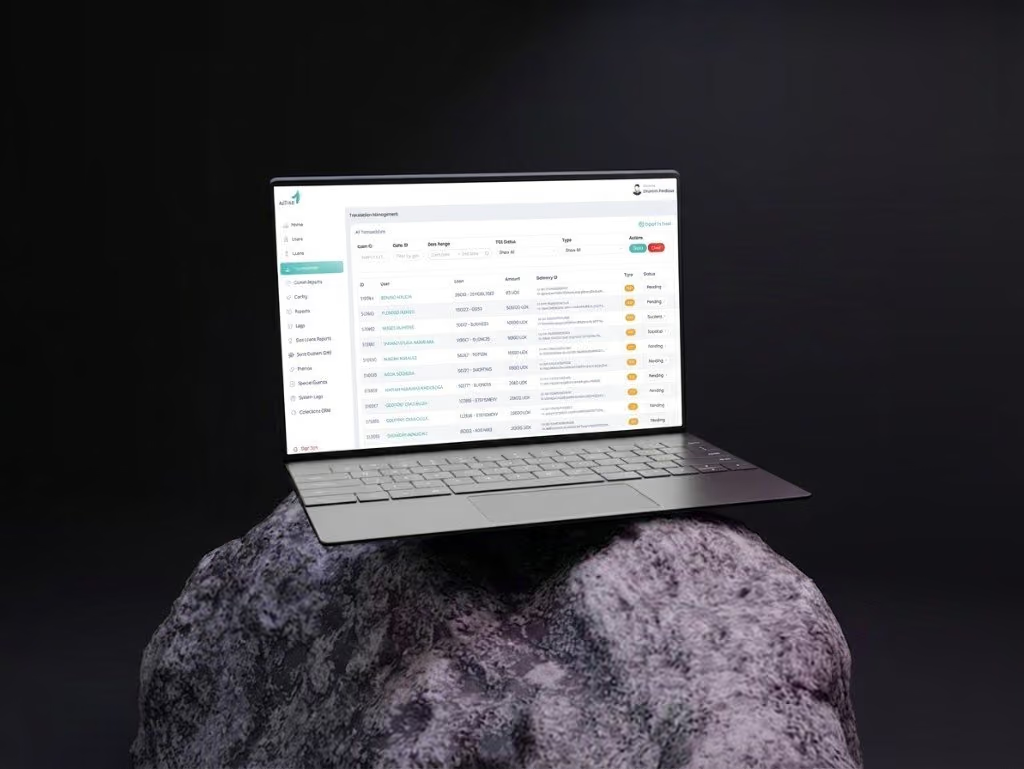
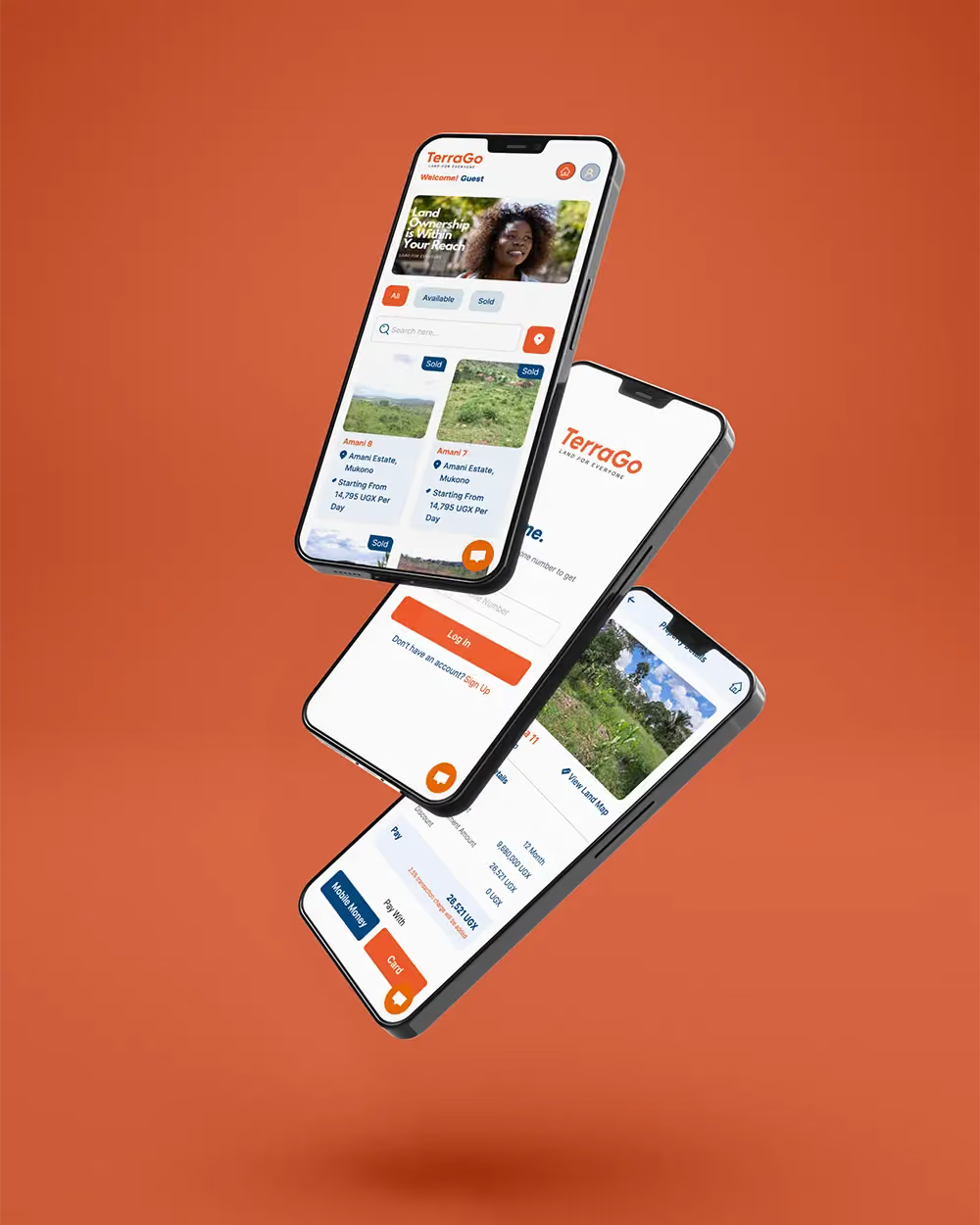
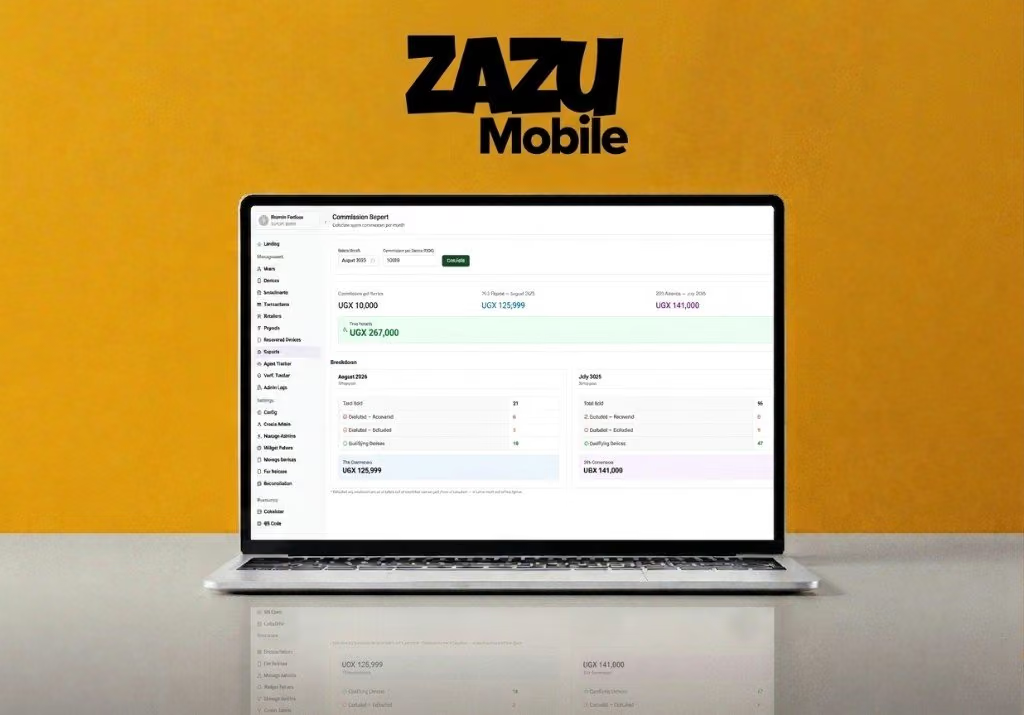
Their fintech MVP was unusable. We took it over, rebuilt it, and it ran in production for close to four years. They came back twice: a land sales platform, and phone installments enforced on the device itself.
- 12,237,485,182 UGX (~USD 3.3M) transacted
- 111,616 registered users
- 5.85 loans per borrower
- in production March 2022 – early 2026
Cha & Chill · since 2020
Nobody hands over their operations on day one.
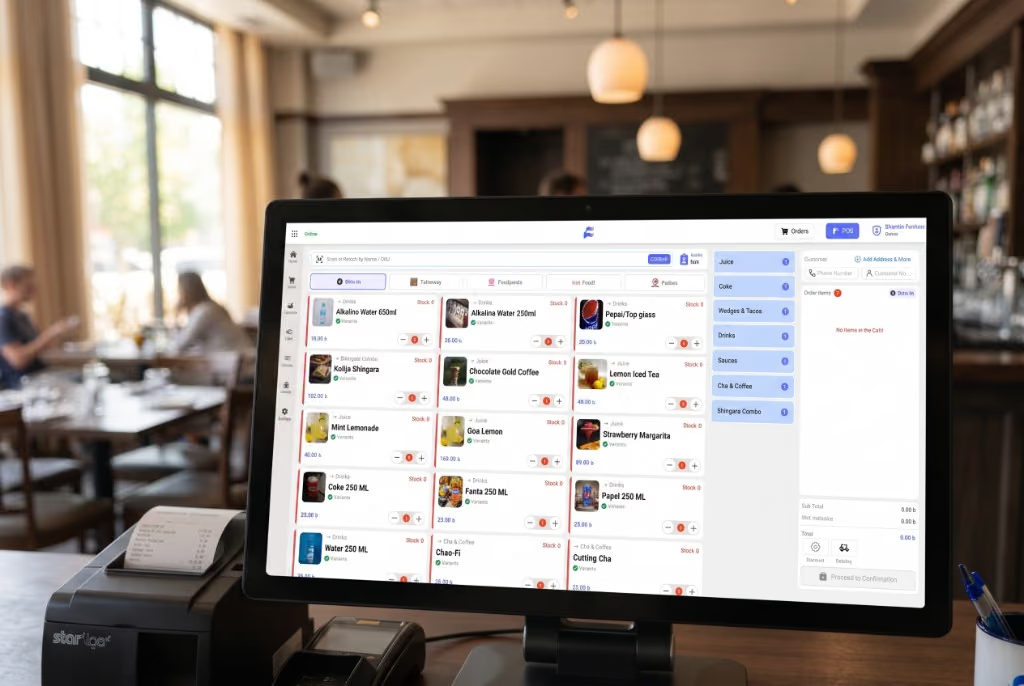
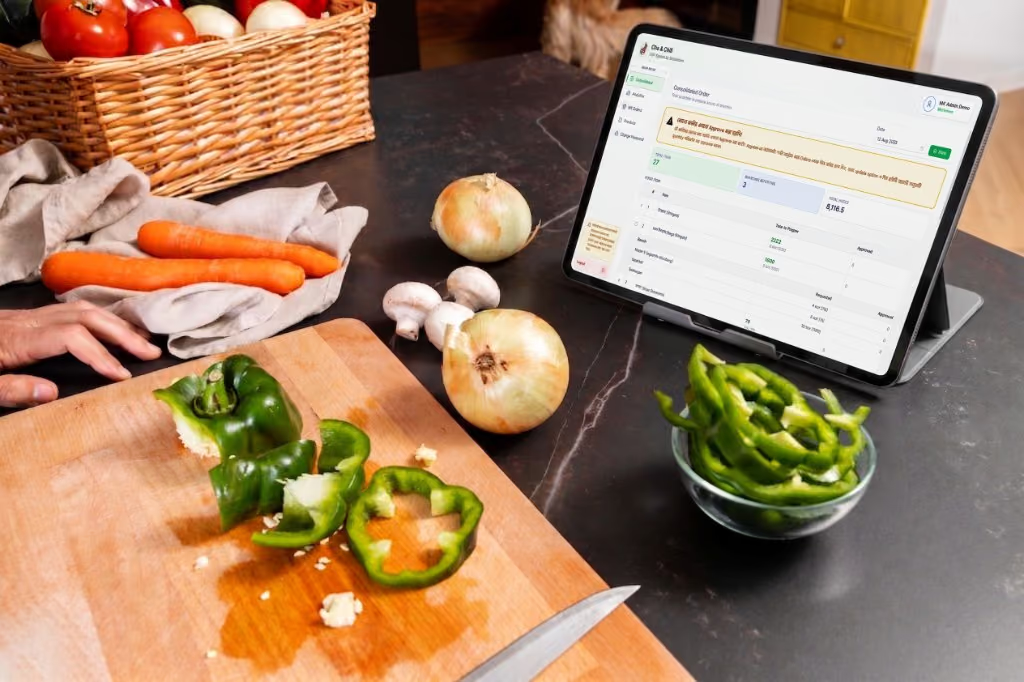
They hand over a website. Six years later we maintain the ERP a 27-branch franchise runs on, built hand in hand with their people, because no ERP we could find modelled a central kitchen feeding branches that resell its output as something else.
2020
A static website
Then
Coupons, expenses, one tool at a time
Now
The ERP the business runs on
branches, a growing franchise, and anti-shrinkage controls throughout. Operational systems built for the reality that some inputs are dishonest.
The ERP is CodeNine's. BPOS, the POS it integrates with, is BizSolution's product and IP. Sister concerns under common ownership.
How we work
Custody, not delivery.
The goal is boring: you should be able to ship a change on a Tuesday without anyone holding their breath.
A retainer is monitoring and on-call for the systems we hold, dependency and security patching, small changes shipped continuously, a written state-of-the-system each quarter, and a scoped estimate before anything large. Nothing about it is standby availability.
No handover
The engineers who scope the work write it
There is no salesperson in between, and nothing is translated on the way in.
Four clients at a time
A capacity limit, stated
It is the reason custody works, and the reason we sometimes say no.
Specialists, not a bench
The right skill, contracted per project
Native Android on the Pay 24 systems is the clearest example. Carrying a full-time bench is worse economics.
What custody actually includes
- Uptime
- Monitoring we watch, and a named engineer who answers when it fires.
- Dependencies
- Patched on a schedule, not when something breaks.
- Changes
- A running queue of small work. The business keeps moving, so the system does too.
- Platform risk
- We track the APIs and policies your model depends on, and warn you early.
- Access
- Direct to the engineers on your system. No account manager relay.
Technology
Breadth is inheritance, not padding.
You work in whatever the system already runs on. Django and PostgreSQL are in production across all four systems we've shipped. NestJS is almost entirely inherited.
We also build real-time voice agent and telephony platforms.











“Our first build was unusable and I was ready to give up on the product. They had a working version live in a month. Four years and three systems later, I still send them everything.”
Contact
Talk to the engineer who would do the work.
[email protected]Working hours
10:00–19:00 UTC
11:00–20:00 CET · 06:00–15:00 US Eastern
The full European working day, plus US Eastern morning into early afternoon.
Where we are
Fully remote, and always have been. No office, no street address. Clients in 10 countries across 5 continents.
across 58 orders on Fiverr
Submission received
It’s with us.
Sent. An engineer reads these, not a mailbox, so expect a real reply, usually within a working day.